Sold a Story
SEASON 1
How Teaching Kids To Read Went So Wrong

There's an idea about how children learn to read that's held sway in schools for more than a generation — even though it was proven wrong by cognitive scientists decades ago. Teaching methods based on this idea can make it harder for children to learn how to read. In this podcast, host Emily Hanford investigates the influential authors who promote this idea and the company that sells their work.
▼ FOLLOW THE SHOW ▼
SEASON 1 EPISODES
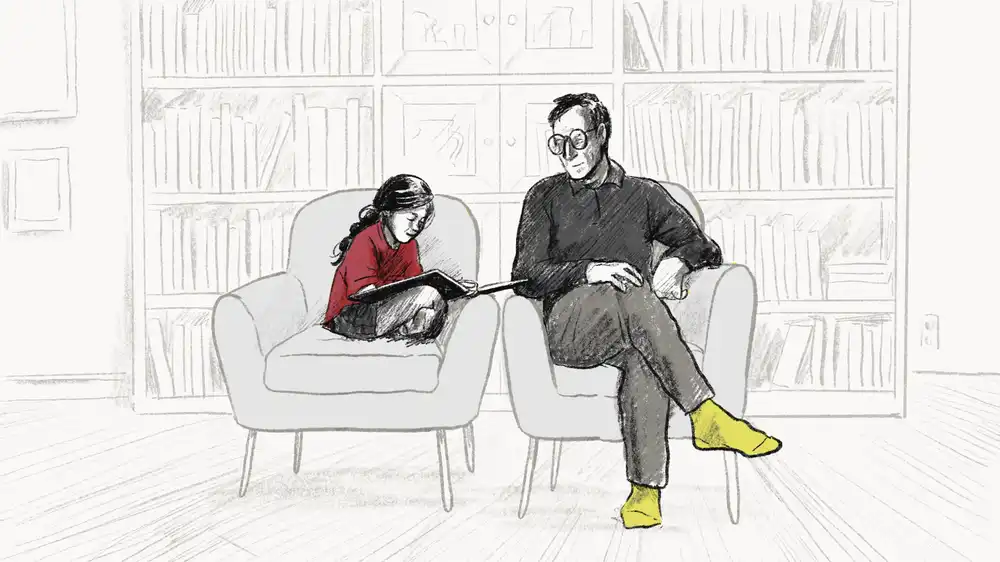
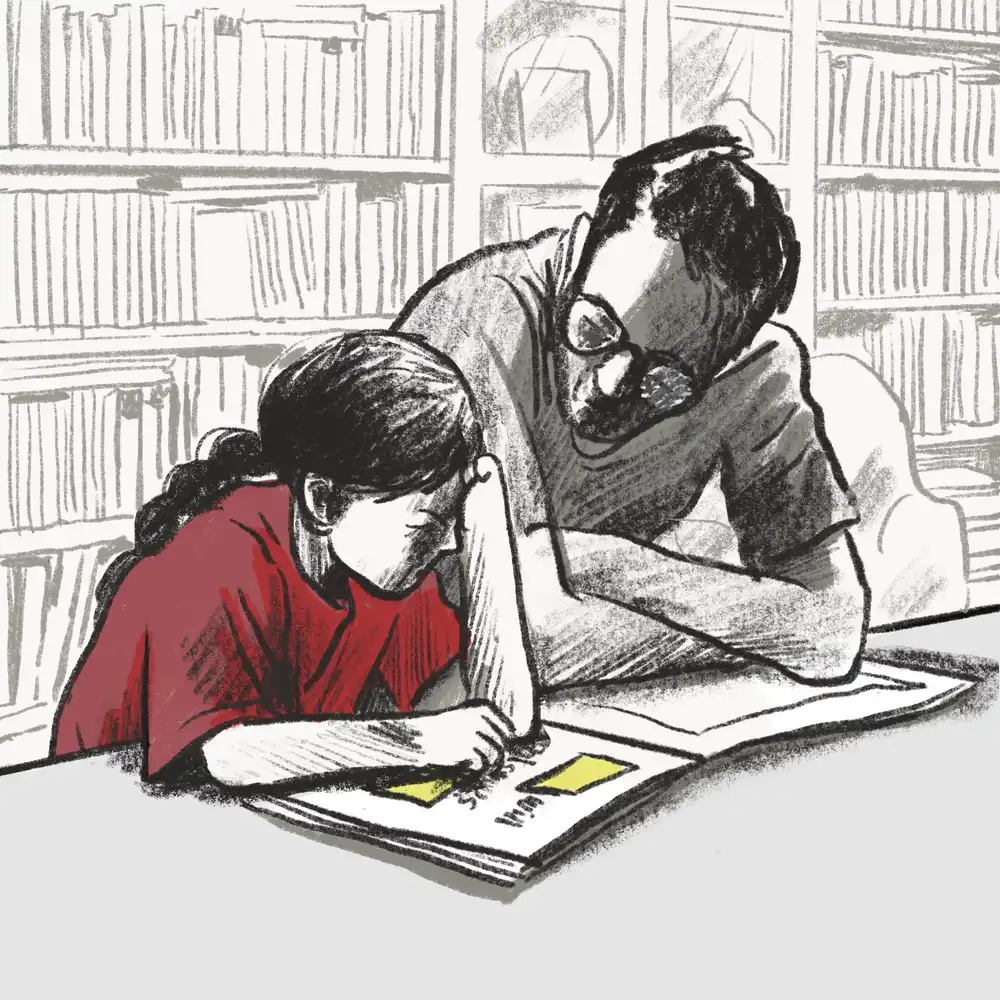
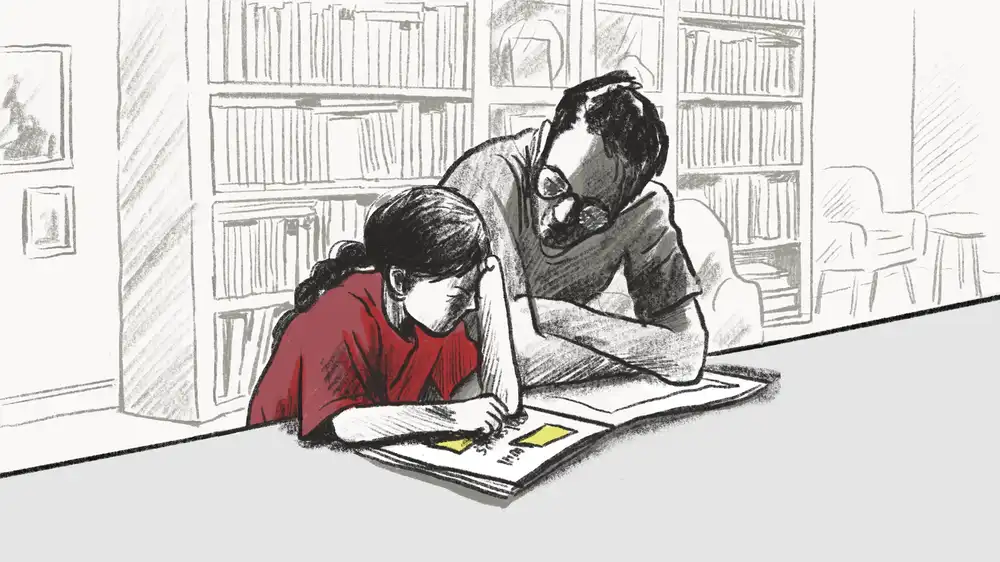
Lee Gaul watches his daughter's lessons during Zoom school and discovers a dismaying truth: She can't read. Little Zoe isn't the only one. Sixty-five percent of fourth graders in the United States are not proficient readers. Kids need to learn specific skills to become good readers, and in many schools, those skills are not being taught.
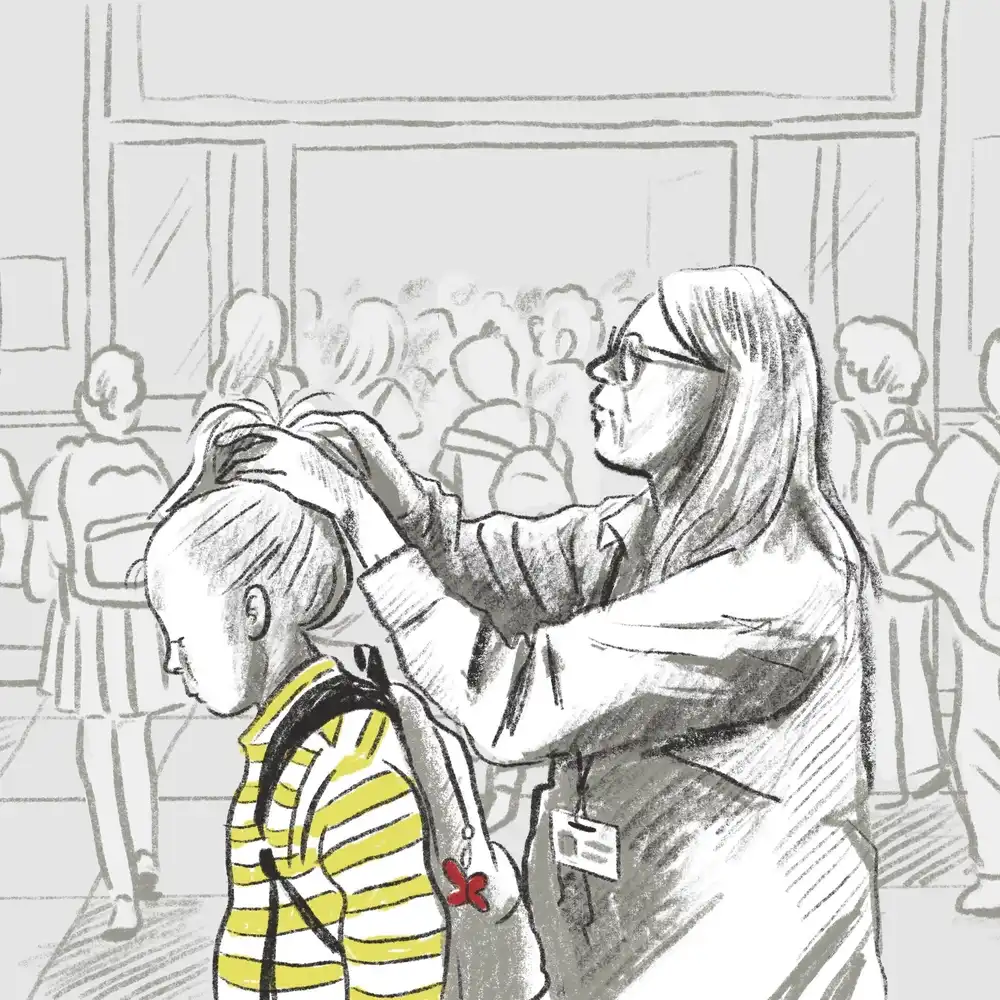
Sixty years ago, Marie Clay developed a way to teach reading she said would help kids who were falling behind. They'd catch up and never need help again. Today, her program remains popular, and her theory about how people read is at the root of a lot of reading instruction in schools. But Marie Clay was wrong.
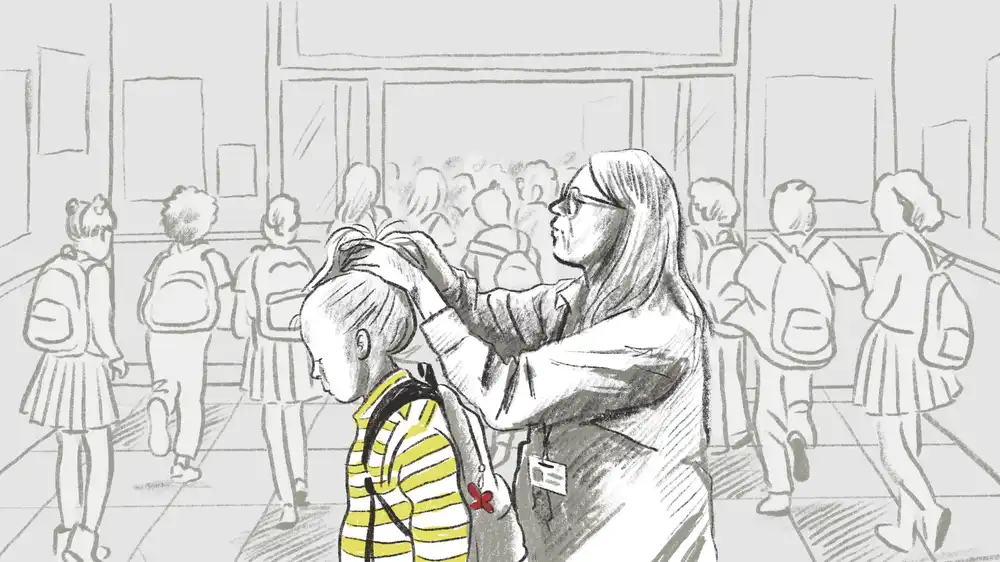
President George W. Bush made improving reading instruction a priority. He got Congress to provide money to schools that used reading programs supported by scientific research. But backers of Marie Clay's ideas saw Bush's Reading First initiative as a threat.
Teachers sing songs about Lucy Calkins. The longtime professor at Columbia University's Teachers College is one of the most influential people in American elementary education today. Her admirers call her books bibles. Why didn't she know that scientific research contradicted reading strategies she promoted?
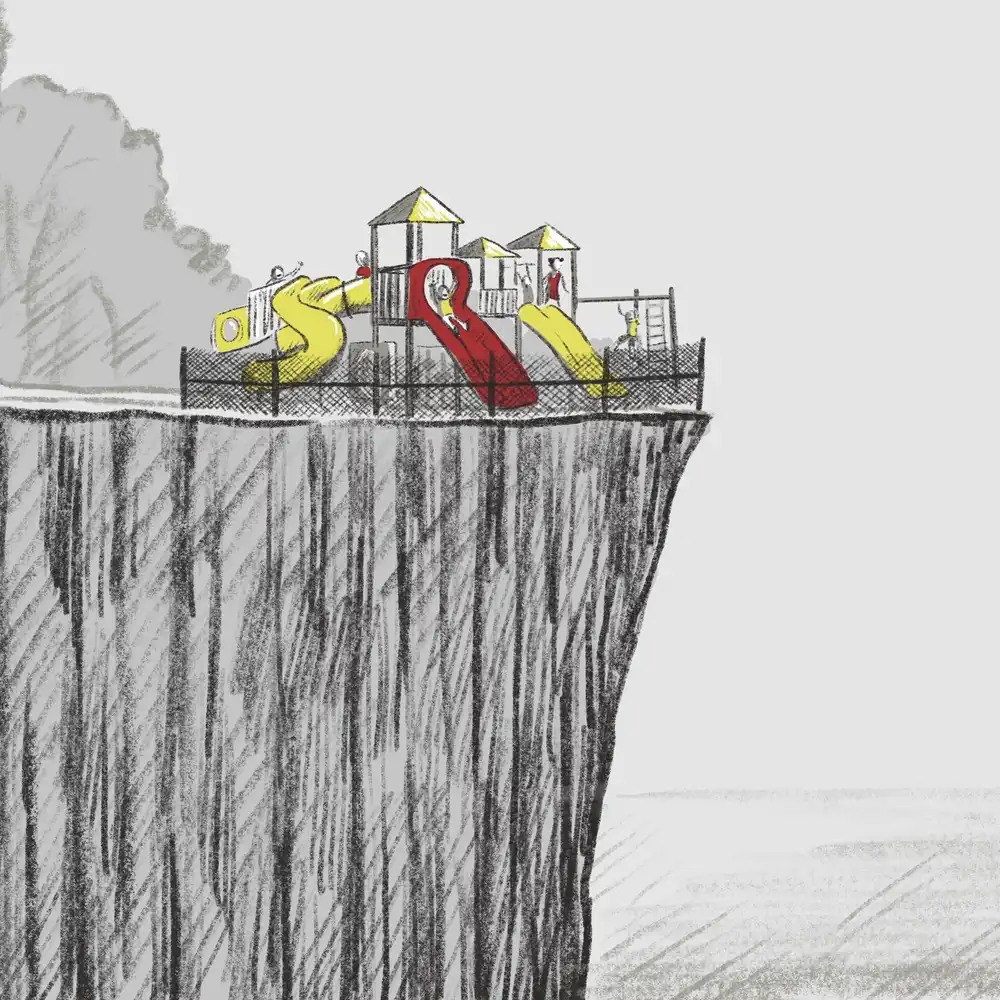
Teachers call books published by Heinemann their bibles. The company's products are in schools all over the country. Some of the products used to teach reading are rooted in a debunked idea about how children learn to read. But they've made the company and some of its authors millions.
Lucy Calkins says she has learned from the science of reading. She's revised her materials. Fountas and Pinnell have not revised theirs. Their publisher, Heinemann, is still selling some products to teach reading that contain debunked practices. Parents, teachers and lawmakers want answers.
Voicemails, emails, tweets: We got a lot of messages from people after they heard Sold a Story. In this episode, we bring you some of their voices. A 10-year-old figures out why he has struggled to read. A mom stays up late to binge the podcast. A teacher confirms what he's suspected for years — he's not really teaching kids how to read.
Across the country, school districts are dropping textbooks, state legislatures are going so far as to ban teaching methods, and everyone, it seems, is talking about "the science of reading." Things have been changing since Sold a Story was released. In this episode, we tell you about some of the changes and what we think about them.
Schools around the country are changing the way they teach reading. And that is having major consequences for people who sold the flawed idea we investigated in Sold a Story. But Lucy Calkins, Irene Fountas and Gay Su Pinnell are fighting back — and fighting to stay relevant. And so are organizations that promoted their work: the Reading Recovery Council of North America and the publisher Heinemann.
Some of the teachers, students, parents and researchers we met in Sold a Story talk about the impact the podcast has had on their lives and in schools — and share some of their hopes and concerns about the "science of reading" movement.
There's a school district in eastern Ohio where virtually all the students become good readers by the time they finish third grade. Many of the wealthiest places in the country can't even say that. And Steubenville is a Rust Belt town where the state considers almost all the students "economically disadvantaged." How did they do it?
There's a name for the program at the heart of Steubenville's remarkable reading results. It's called Success for All. It's been around for decades, and numerous studies have shown it's effective. But relatively few school districts use it. We trace the history of the program and why it's never really caught on.
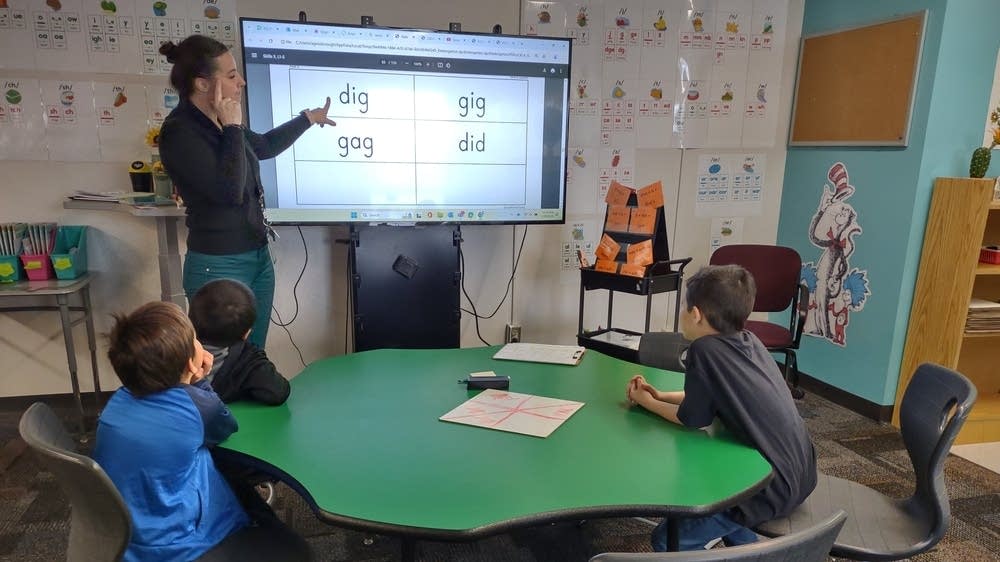
Steubenville became a model of reading success. Then a new law in Ohio put it all at risk. In this episode, we look at the "science of reading" lists some states are making, why the program Steubenville has been using for 25 years isn't getting on many of these lists, and the surprising power of one curriculum review group.
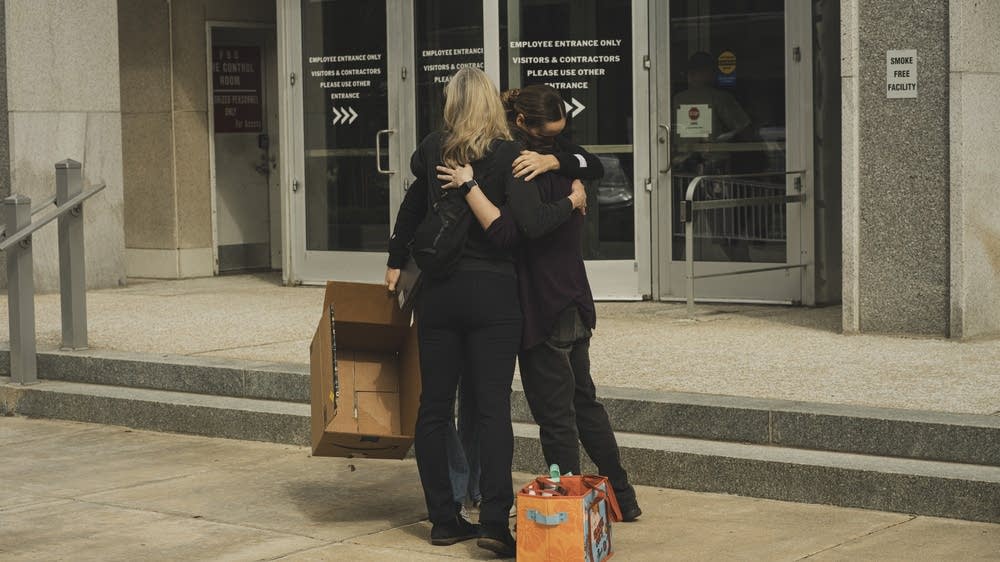
Education research is at a turning point in the United States. The Trump administration is slashing government funding for science and dismantling the Department of Education. We look at what the cuts mean for the science of reading — and the effort to get that science into schools.
Support
Sold a Story is an independent investigative journalism project from American Public Media. We rely on your donations to support this kind of rigorous reporting.
Email Notifications
Dive deeper into Sold a Story with this multi-part Extra Credit email series from host Emily Hanford. We'll also keep you up to date on new episodes.

BONUS EPISODES
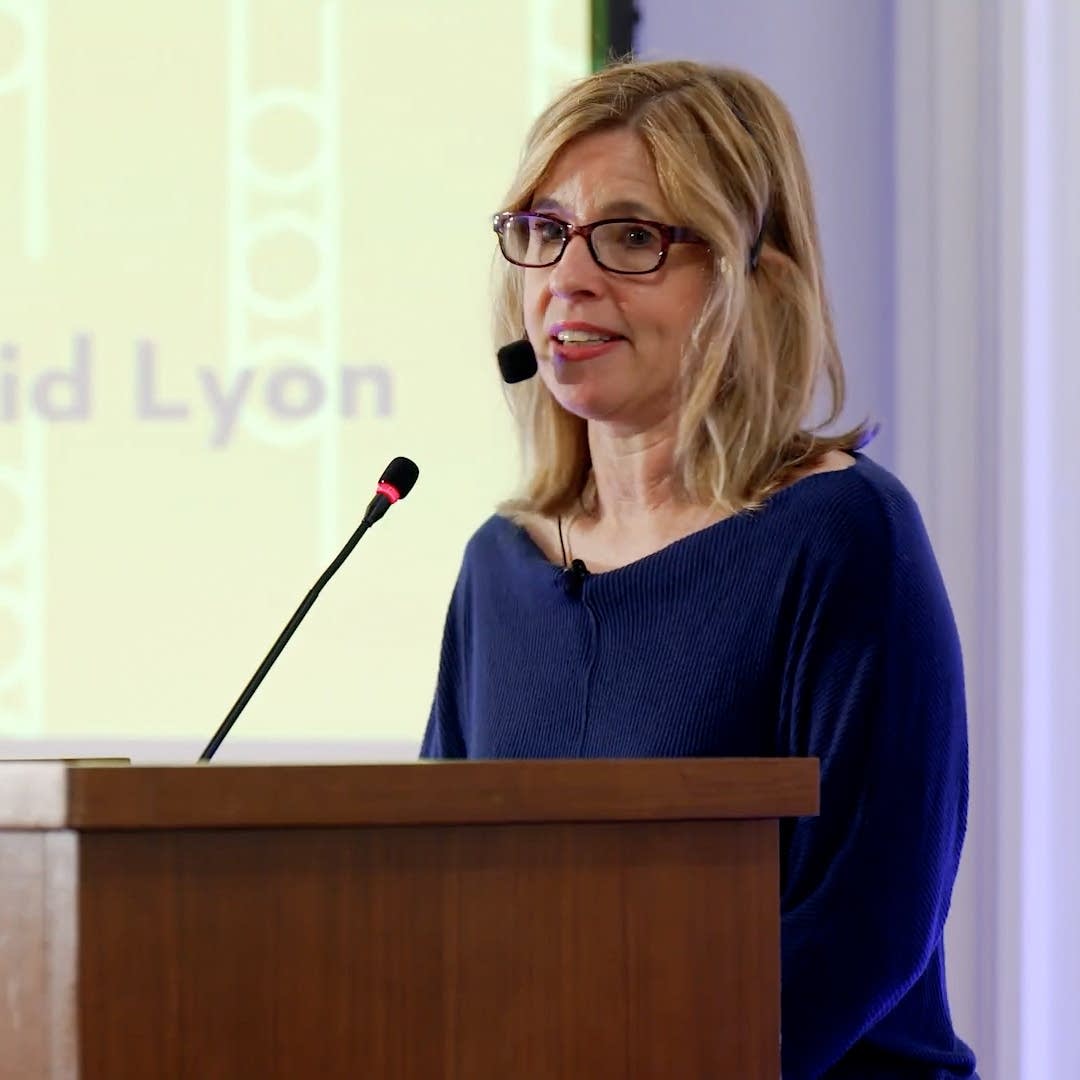
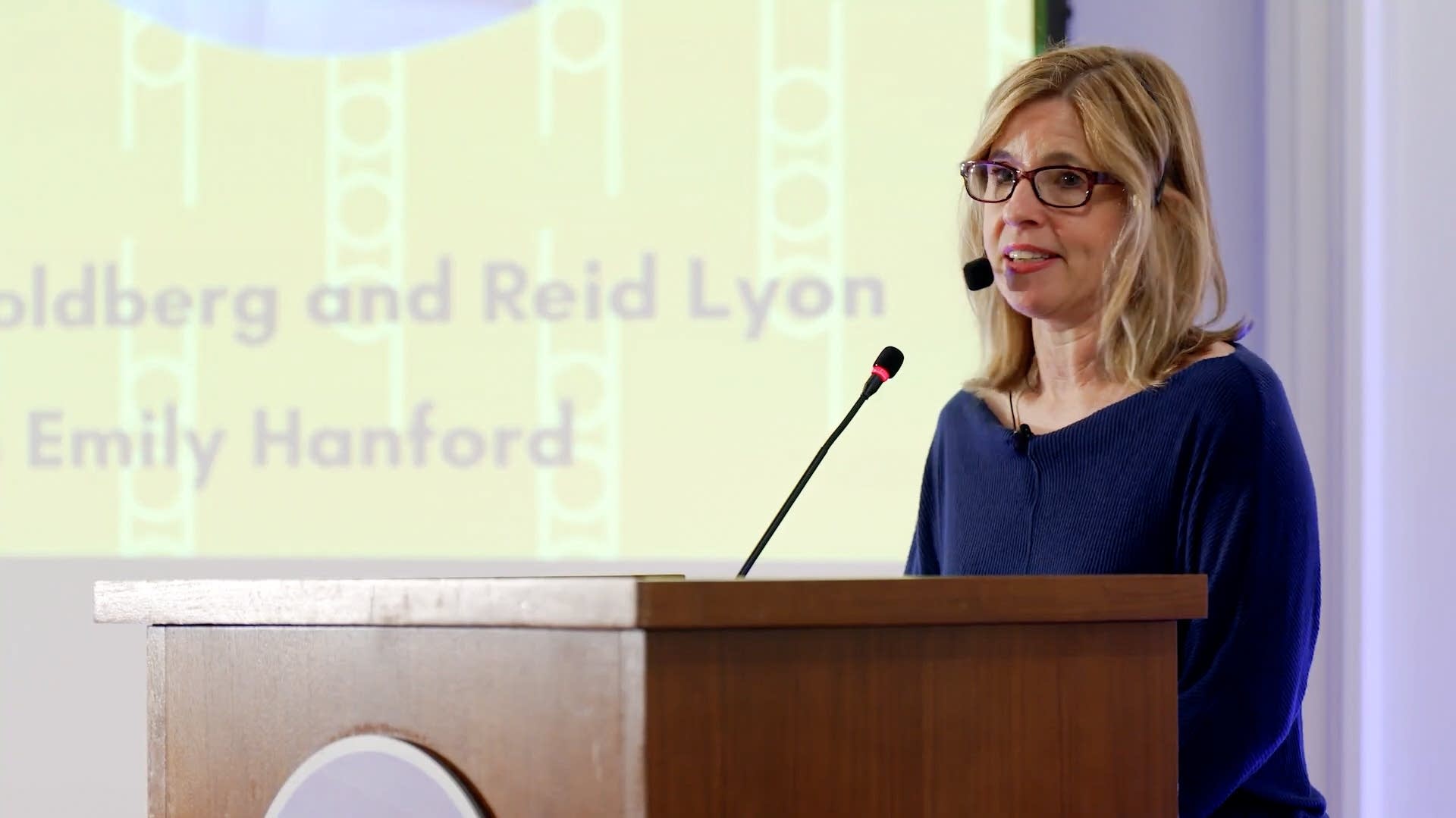
Early in her teaching career, Margaret Goldberg was skeptical of the science of reading. Today, she is working with neuroscientist Reid Lyon to bring it into more classrooms. Lyon and Goldberg joined Sold a Story host Emily Hanford for a live conversation about the challenges of translating research into practice.
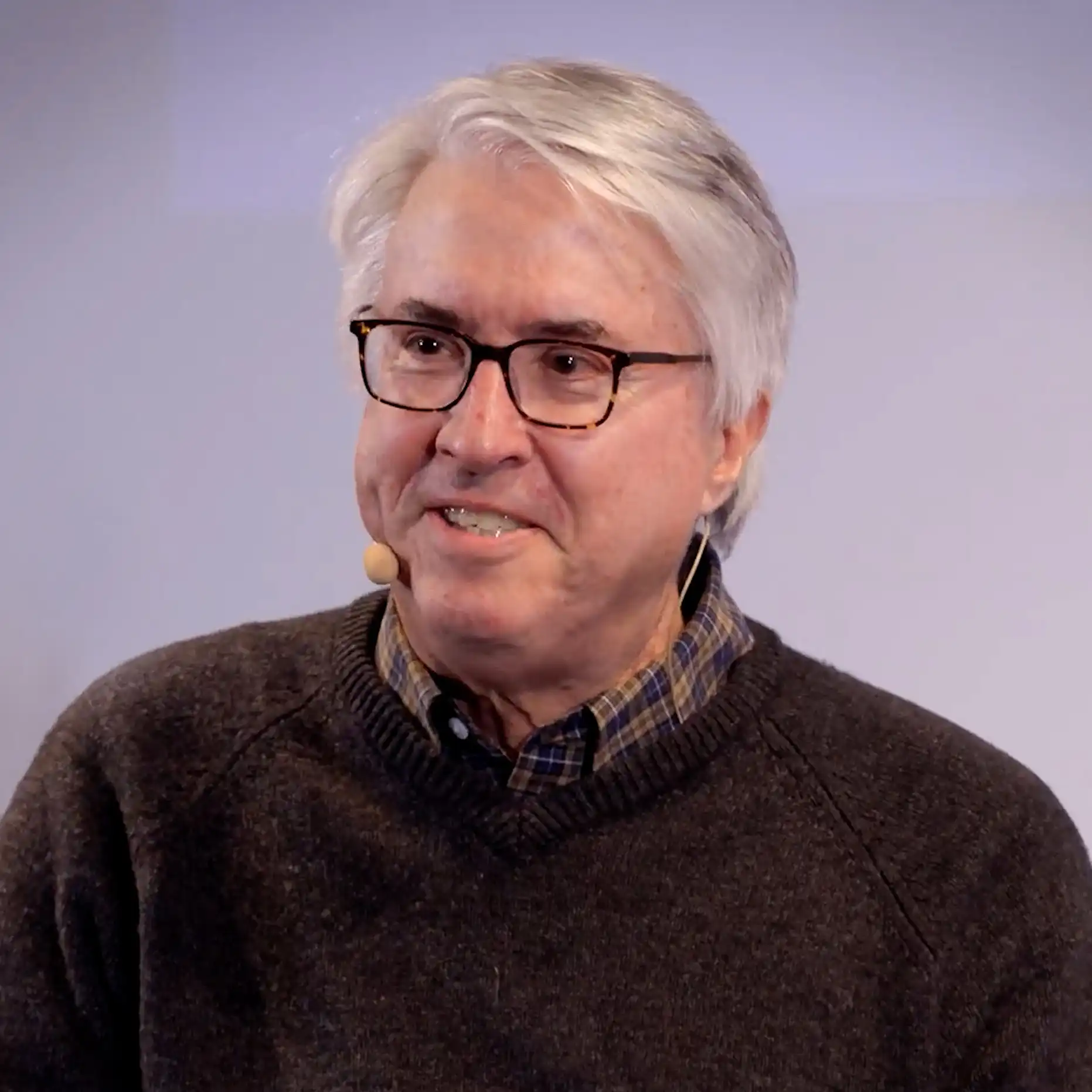
The New Yorker staff writer David Owen opened a recent piece with a personal story: To hide that she couldn't read, his niece would pretend she was reading, turning pages when her classmates did. Owen joined Emily Hanford for a live conversation about his December 2025 article “Dyslexia and the Reading Wars.”
NEWS AND RESOURCES
► ALL EDUCATION NEWS
VIDEOS
▼ FOLLOW ON SOCIAL ▼